Dialogue Details
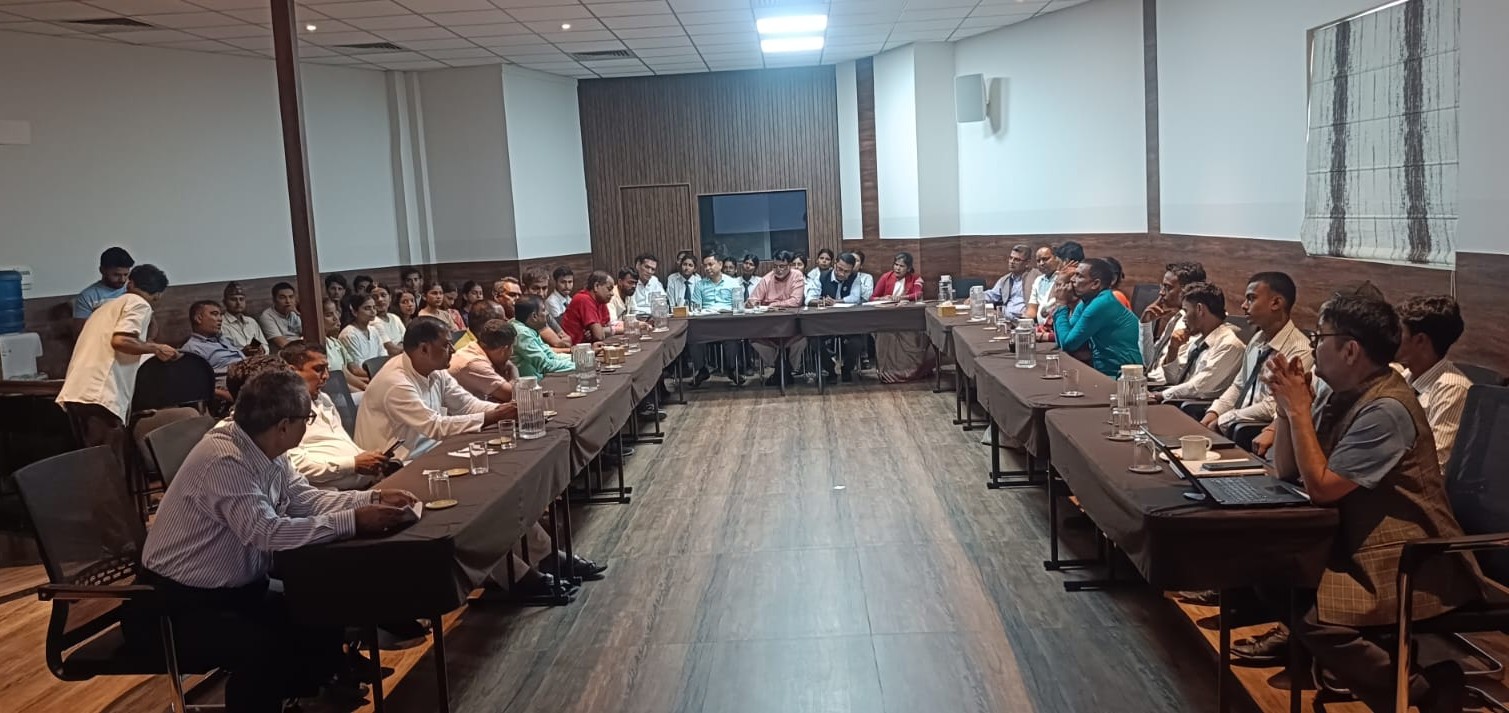
Discussion Held on the Federalism Perspective of the FY 2083/84 Budgets of the Government of Nepal and the Madhesh Province Government
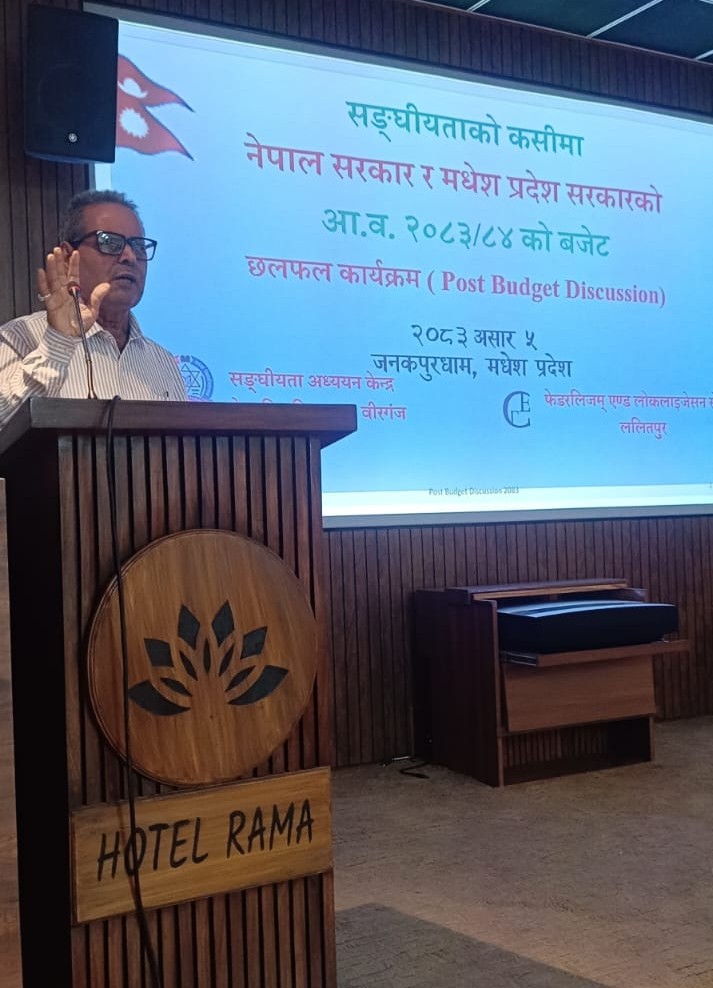
Janakpurdham, 19 June –
Minister for Finance of Madhesh Province, Mr. Yubaraj Bhattarai, has stated that effective fiscal coordination and equitable distribution of resources among the federal, provincial, and local levels are essential for making the federal governance system effective.
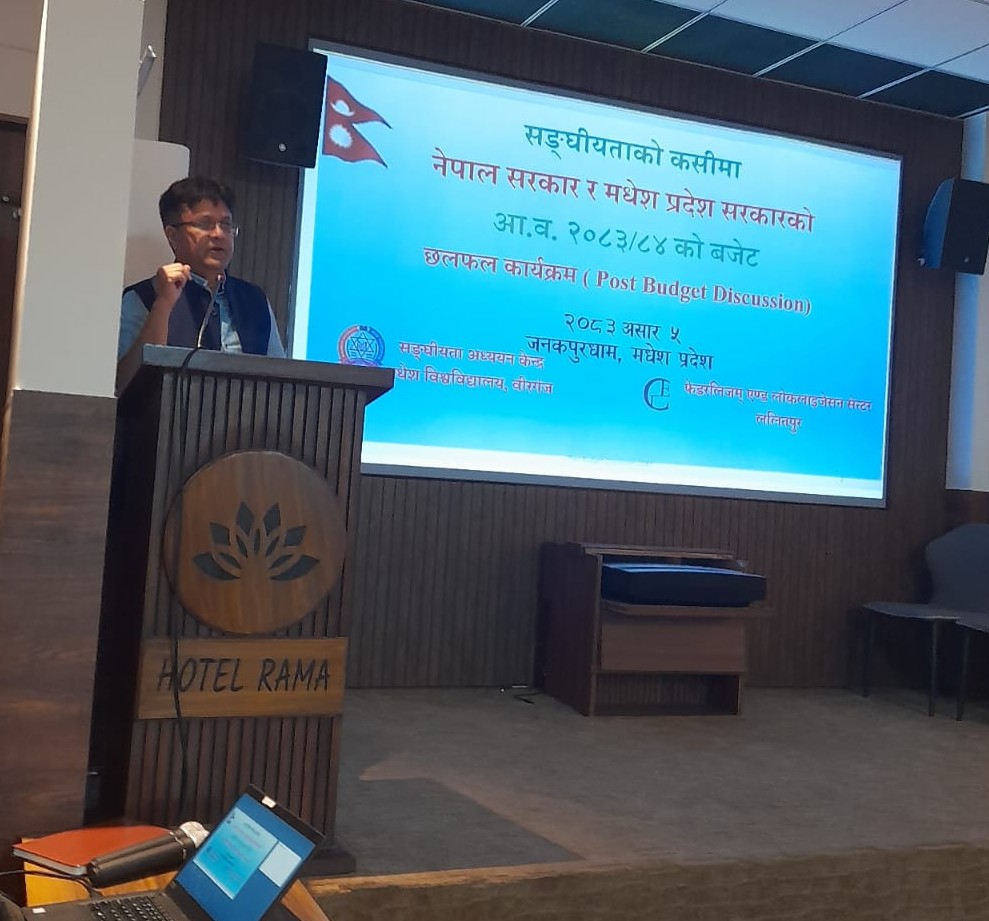
Speaking at a post-budget discussion program titled 'The FY 2083/84 Budgets of the Government of Nepal and the Madhesh Province Government from a Federalism Perspective', jointly organized in Janakpurdham on Friday by the Federalism and Localization Center (FLC), Lalitpur, and the Institute of Federalism of Madhesh University, Birgunj, Minister Bhattarai emphasized the need to further strengthen budget implementation effectiveness, fiscal discipline, and intergovernmental cooperation for the successful implementation of federalism.
He noted that despite limited resources, the Madhesh Province Government has prioritized agriculture, education, health, infrastructure development, and employment generation in its budget allocation. He further stated that citizens can experience the real benefits of federalism only through the effective implementation of the budget.
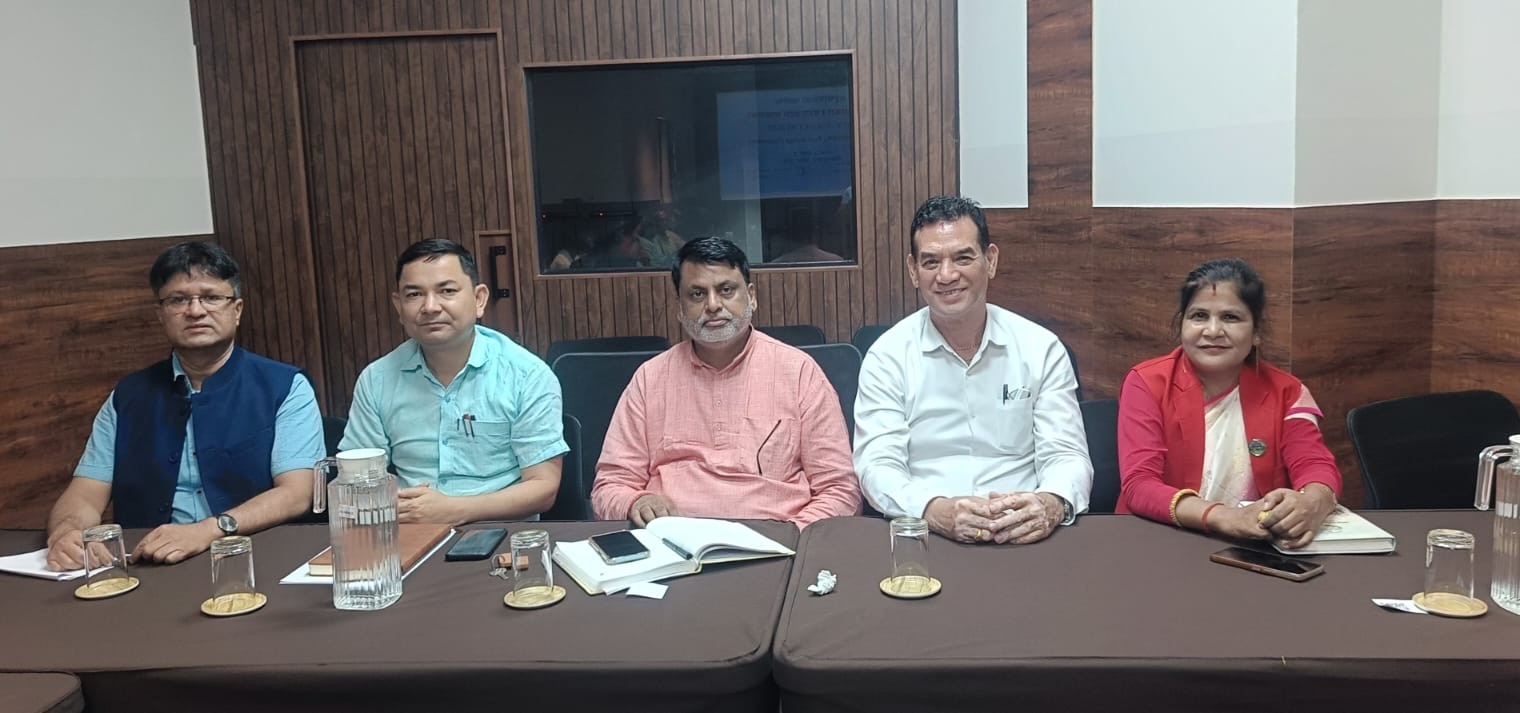
On the occasion, former Chief Minister of Madhesh Province, Mr. Saroj Kumar Yadav, expressed the view that the inability to adequately transfer powers, resources, and means to the provinces in accordance with the spirit of federalism has posed challenges in achieving the expected outcomes. Recalling Balendra Shah’s statement made in Janakpur during the election period that “people would no longer need to go to Kathmandu to demand rights and development but only to visit Pashupatinath and Swayambhunath temples,” he remarked that it was unfortunate that budget allocations for Madhesh had decreased. He stressed the need to ensure fiscal autonomy for provinces in order to strengthen the federal governance system.
Former Chief Minister Mr. Jitendra Sonal stated that trust, coordination, and cooperation among the federal, provincial, and local governments are indispensable for the full implementation of the federal structure envisioned by the Constitution. He also emphasized the need to make budget formulation and implementation processes more accountable, transparent, and people-centered.
Ms. Anita Sah, Chairperson of the Provincial Assembly Finance Committee, expressed the view that the budget should prioritize the empowerment of women, Dalits, economically disadvantaged groups, and marginalized communities, as well as social justice and inclusive development. She stressed that development programs should be implemented in a manner that ensures equitable benefits for all sections of society.
Vice-Chairperson of the Provincial Policy and Planning Commission, Mr. Raj Kumar Singh, highlighted the need for effective alignment among policy, planning, and budgeting to achieve the province’s long-term development goals. He emphasized maximizing the utilization of available resources and focusing on results-oriented development.
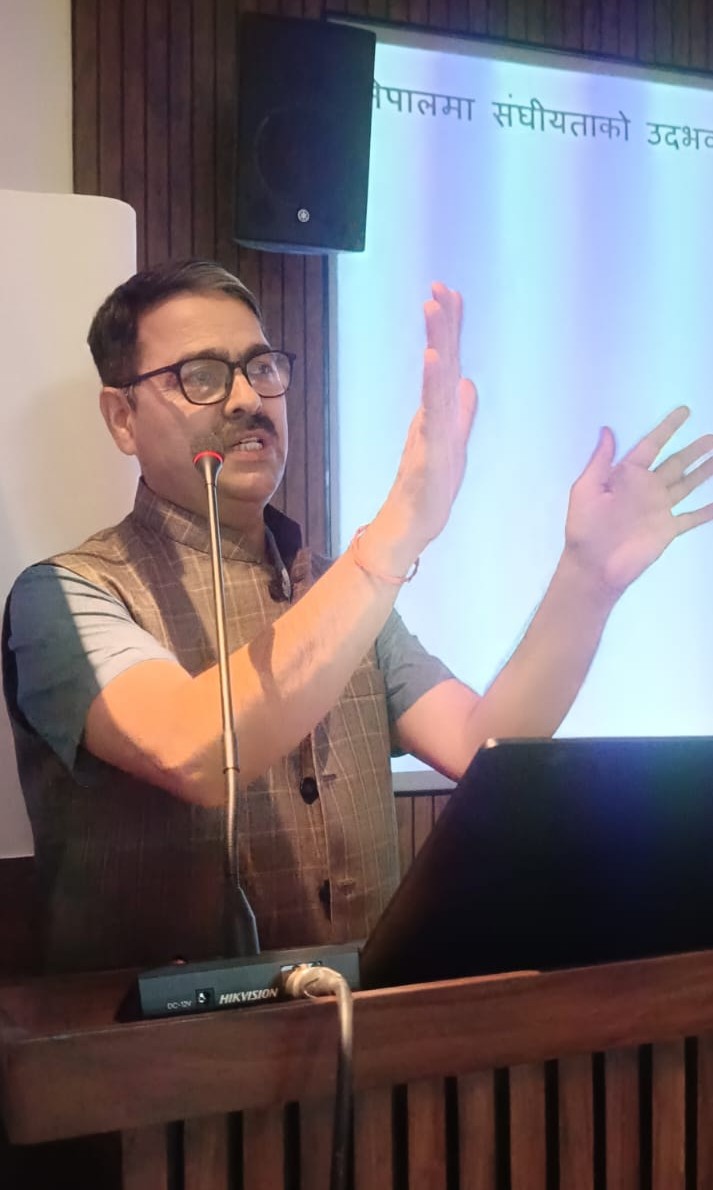
The program, chaired by Dr. Dipak Bahadur Shakya, Vice-Chancellor of Madhesh University, featured facilitation by federalism expert and former member of the National Assembly Dr. Khim Lal Devkota, former Vice-Chairperson of the Madhesh Province Policy and Planning Commission Dr. Bhogendra Jha, and former Constituent Assembly member Mr. Prahlad Lamichhane. They shared their perspectives on the state of fiscal federalism in Nepal, the status of budget implementation, and the challenges of federalism implementation.
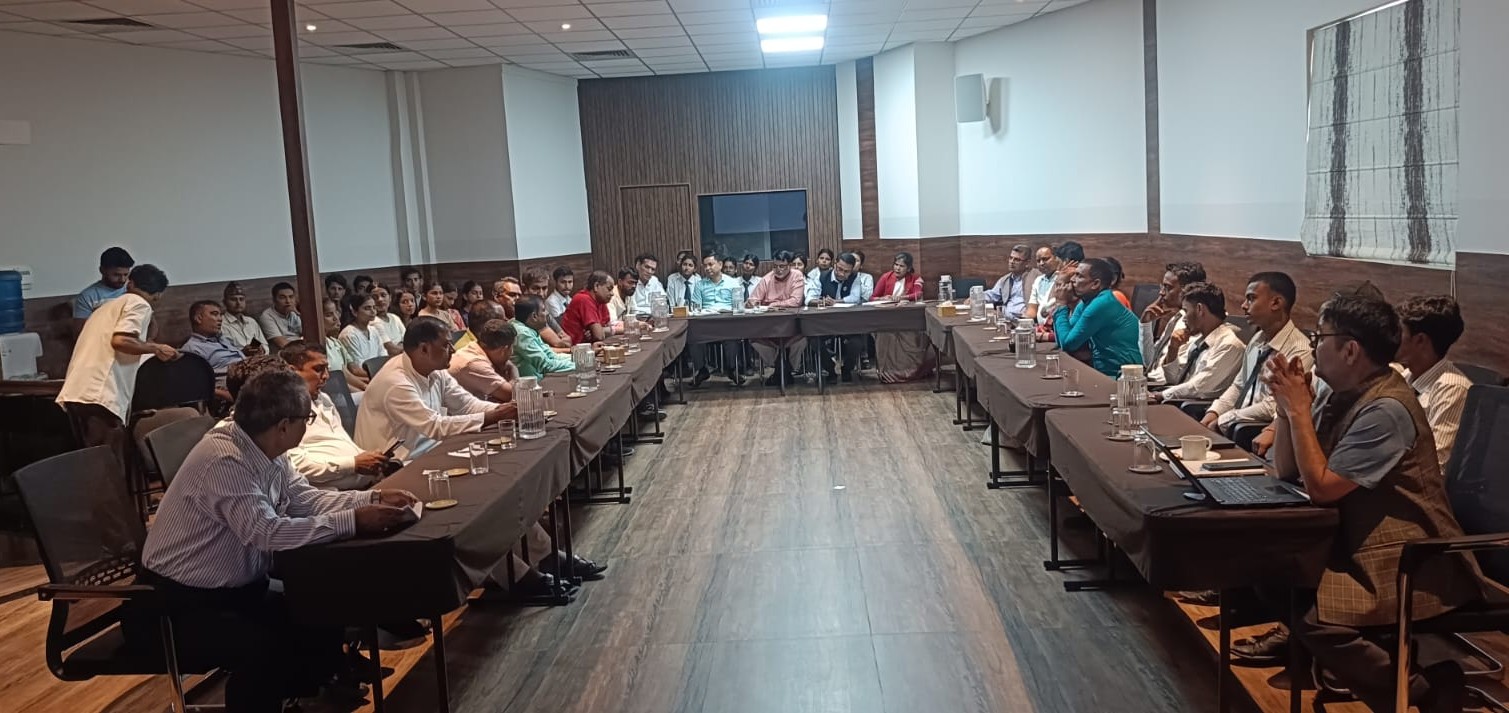
Participants engaged in extensive discussions on the current status of federalism implementation, the priorities of the FY 2083/84 budgets of the Government of Nepal and the Madhesh Province Government, challenges related to fiscal federalism, and possible reform measures.
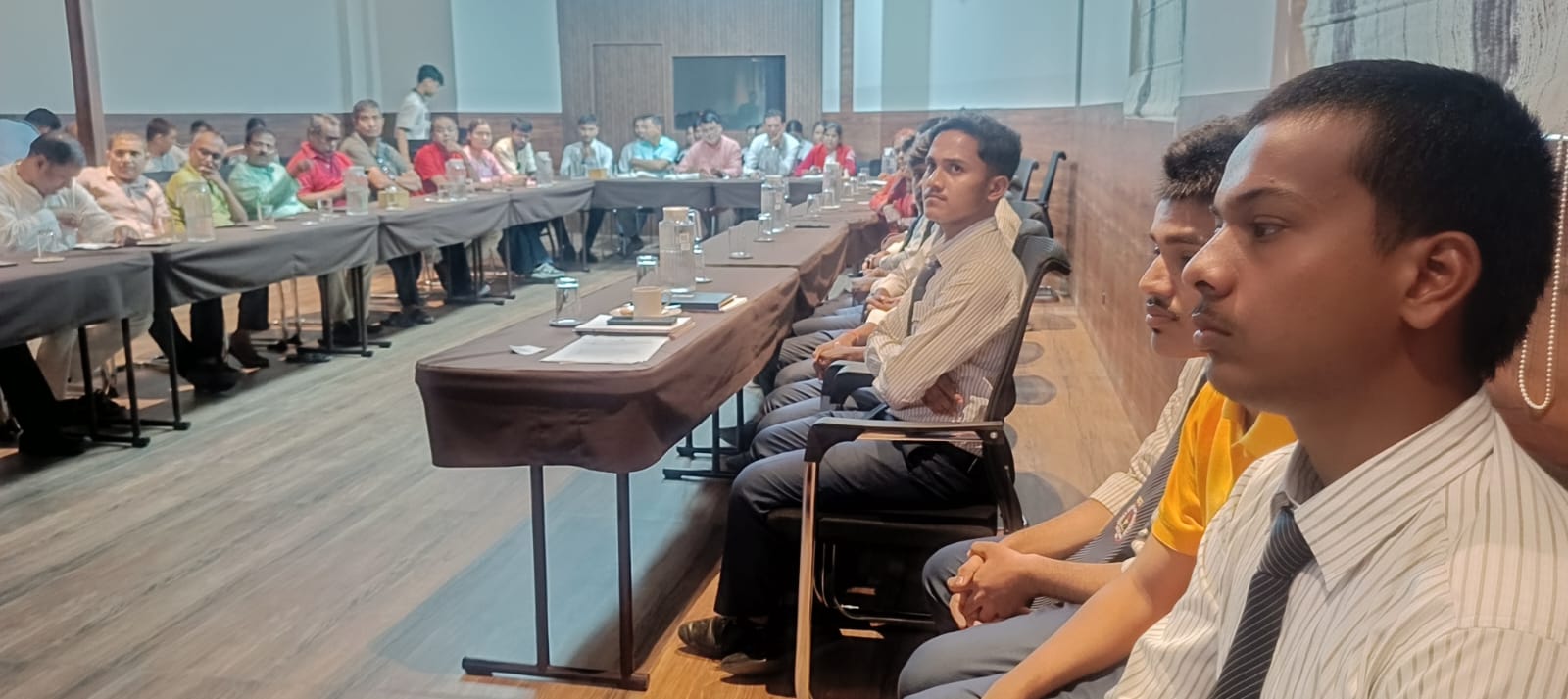
The program was attended by more than 70 participants, including representatives of political parties such as the Rastriya Swatantra Party, Nepali Congress, CPN (UML), CPN, and Janata Samajbadi Party (JSP), as well as members of the private sector, journalists, intellectuals, and students.
Dialogue List
-
FLC Chairperson Delivers Prese...
2026-09-12
-
Federalism Awareness and Youth...
2026-08-25
-
Strengthening Federalism Throu...
2026-08-23
-
Federalism: Constitutional Ame...
2026-08-21
-
Province Structure in the Impl...
2026-06-30