Dialogue Details
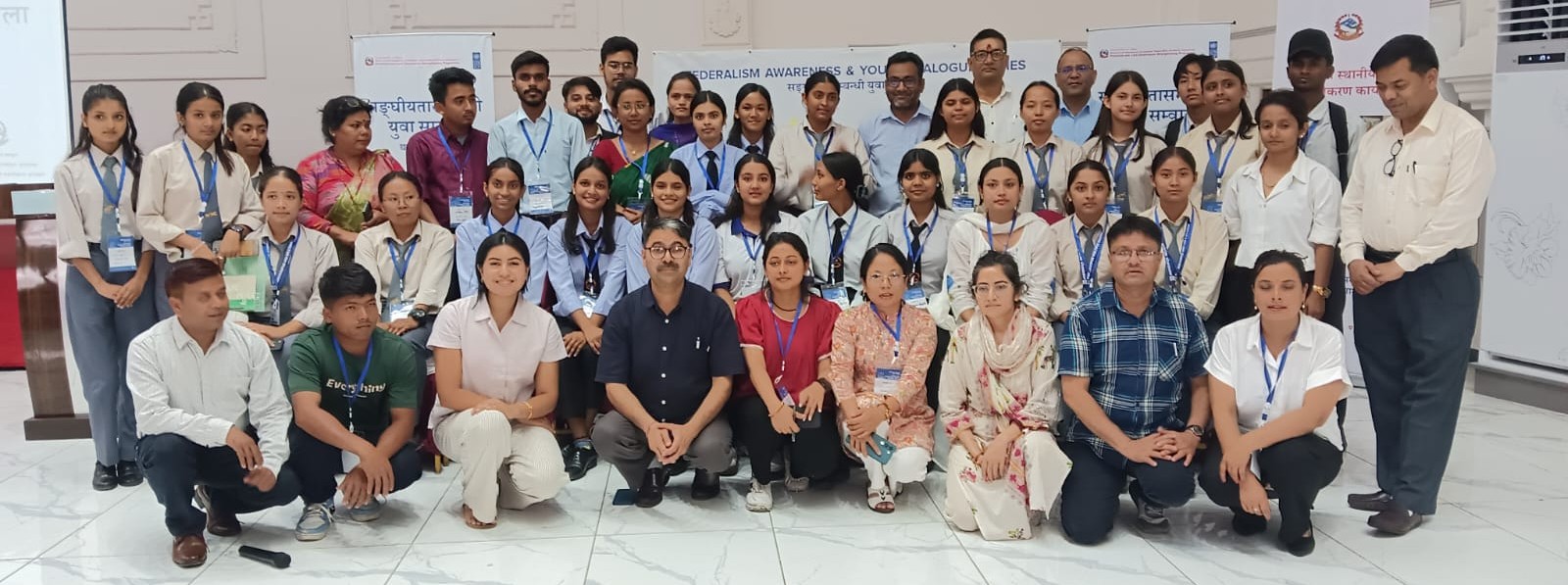
Federalism Awareness and Youth Dialouge in Bagamati
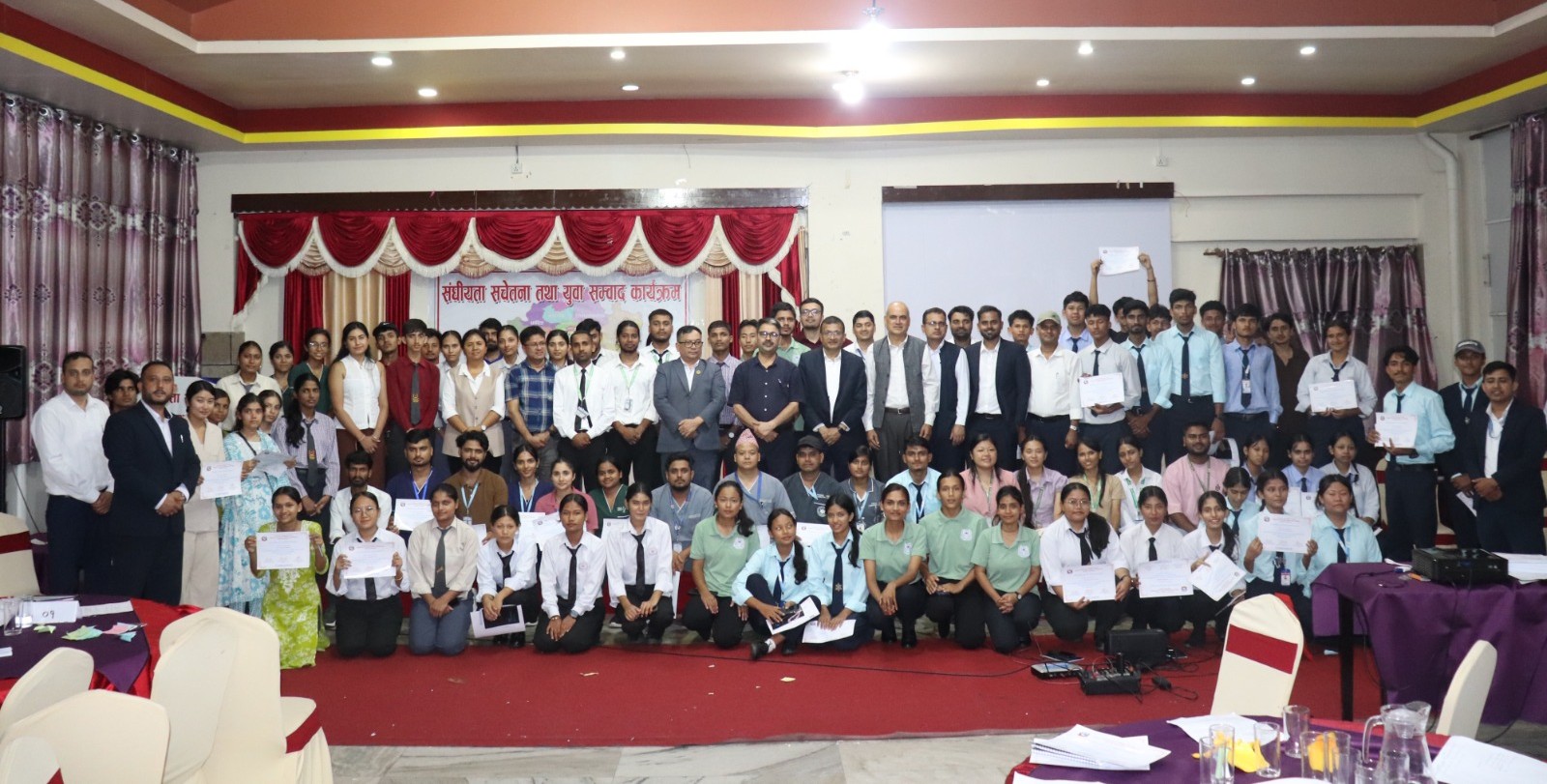
Provincial Youth Dialogue on Federalism Held in Hetauda
Hetauda, Bagmati Province
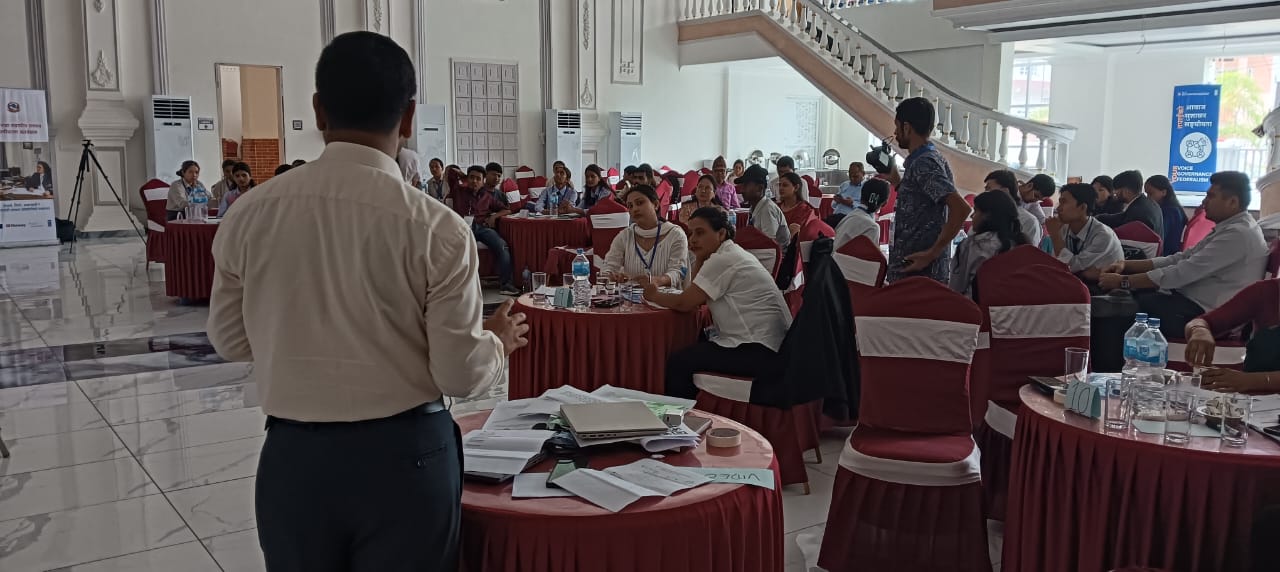
A provincial-level dialogue entitled ‘Federalism Awareness and Youth Dialogue Series’ has been successfully conducted in Hetauda. The dialogue aimed at fostering a shared understanding among youth of Nepal’s federal governance system, intergovernmental relations, inclusive governance, and fiscal federalism. The program was jointly organized by the Provincial and Local Governance Support Programme (PLGSP/UNDP) and the Federalism and Localization Centre (FLC).
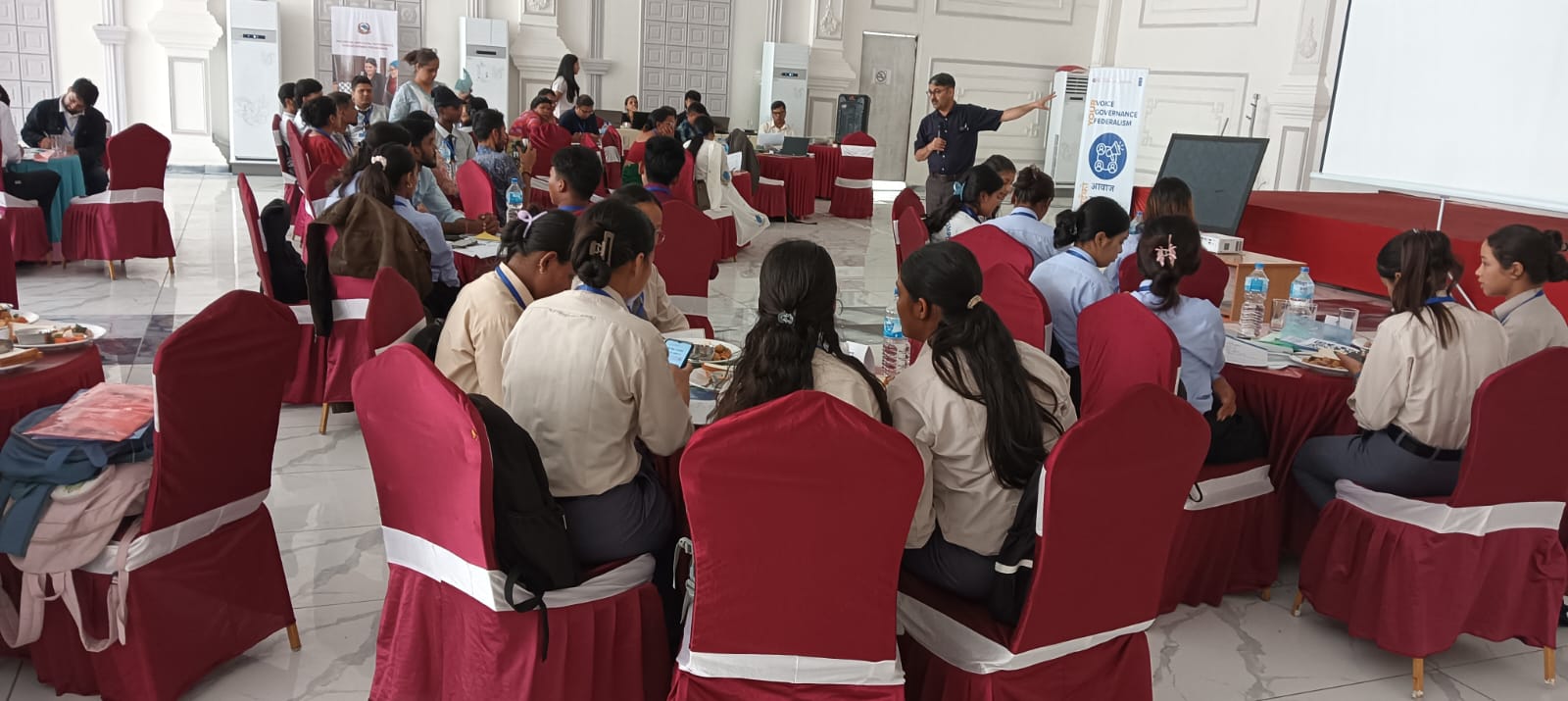
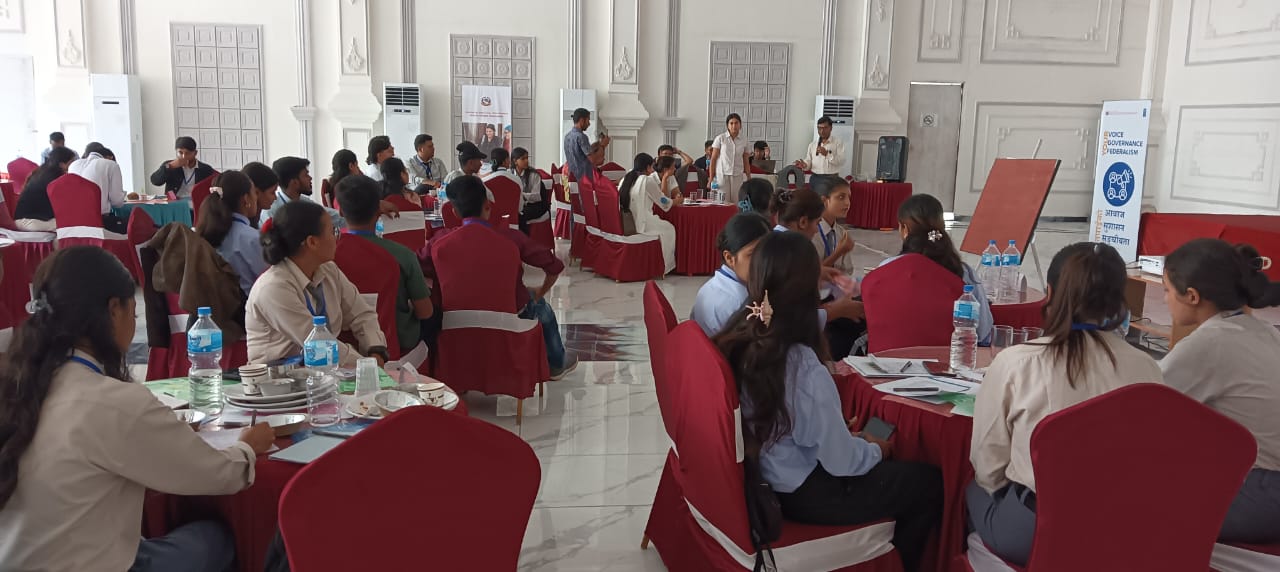
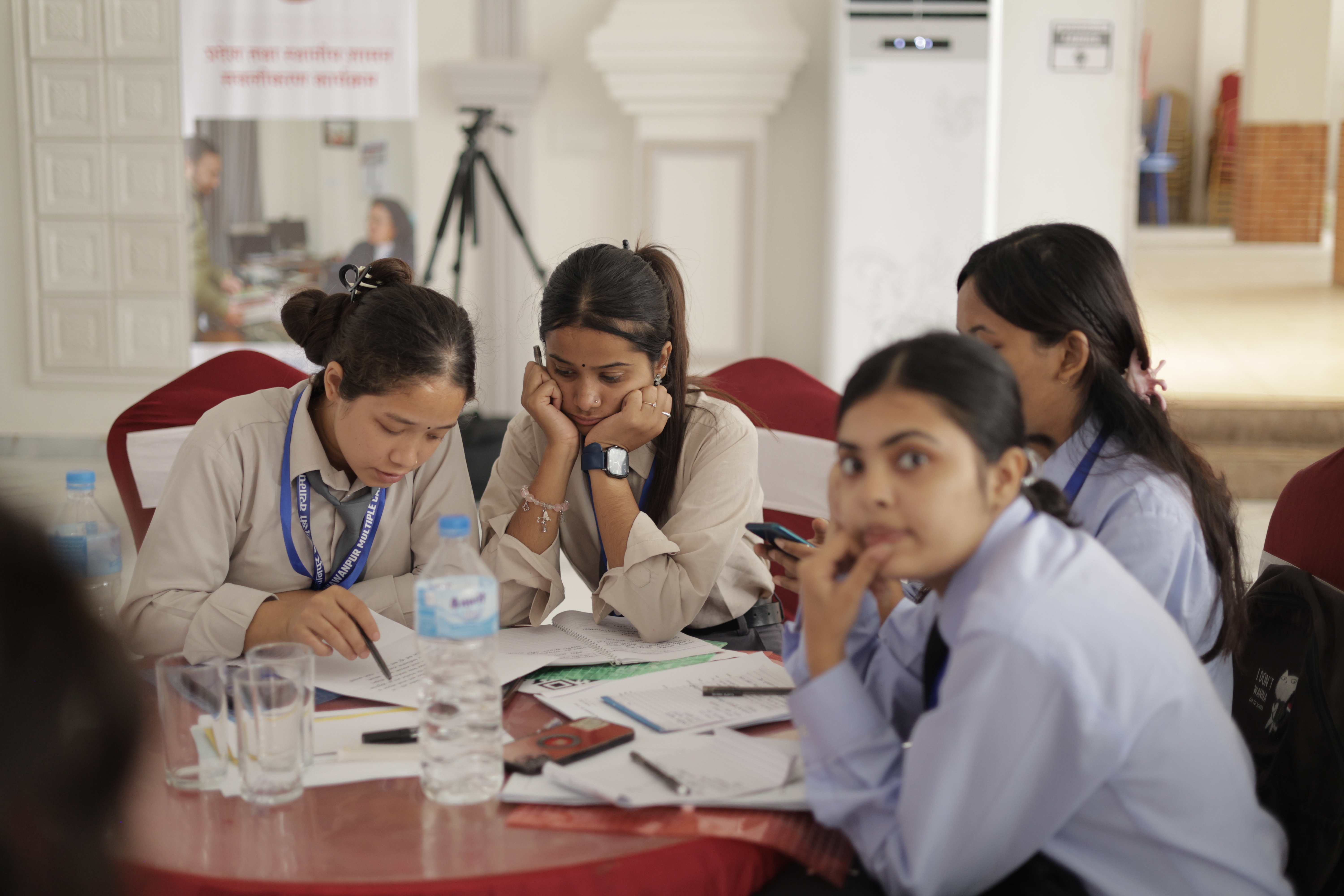
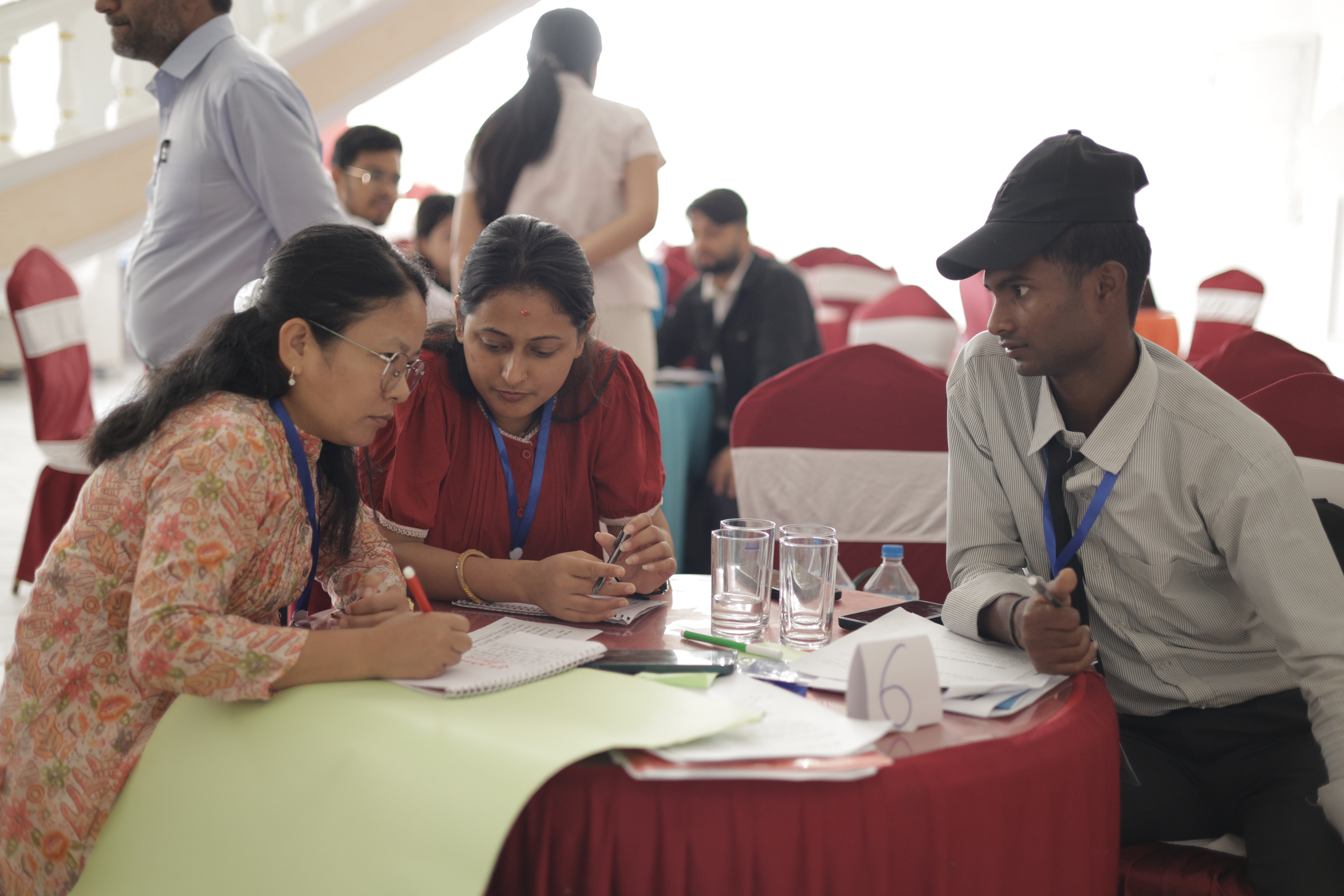
The event brought together around 58 participants, including youth leaders, students, social activists, elected representatives, and civil society actors from various districts of Bagmati Province. The dialogue served as a platform for participants to critically engage with key issues related to the implementation of federalism, inclusive democracy, intergovernmental coordination, participatory governance, and the role of youth in strengthening democratic institutions.
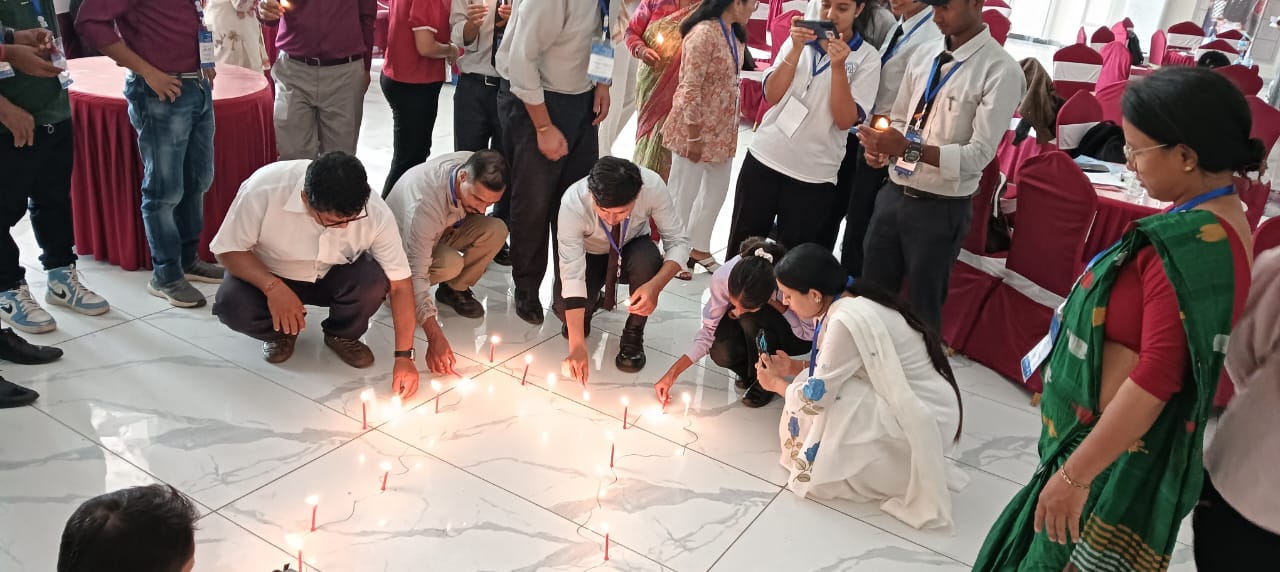
A strong emphasis was placed on GEDSI (Gender Equality, Disability, and Social Inclusion) throughout the program. Through interactive group exercises, role-play activities, simulations, and open discussions, participants explored the practical dimensions of federal governance, including the roles and responsibilities of provincial and local governments, fiscal resource allocation, and youth participation in policymaking processes.
Participants stressed that representation alone is not sufficient to ensure inclusion and highlighted the importance of meaningful participation and empowerment of historically marginalized groups. Discussions underscored the need to strengthen an inclusive, accountable, and responsive governance system that respects Nepal’s social, linguistic, and cultural diversity. Participants also emphasized that all levels of government must take greater responsibility in ensuring the meaningful participation of women, Dalits, Muslims, persons with disabilities, and other marginalized communities.
The program featured several thematic sessions facilitated by experts and practitioners working on federalism and governance. In the session titled “Understanding Federalism,” Dr. Khim Lal Devkota, Chairperson of FLC, facilitated discussions on the foundational concepts, principles, and institutional structures of federalism. He also led the session “Budget Simulation: Fiscal Federalism in Practice,” where participants engaged in practical exercises on fiscal federalism, resource sharing, and grant mechanisms.
Former Constituent Assembly member Prahlad Lamichhane facilitated the “Responsibility Mapping Lab” session, focusing on functional responsibilities among the federal, provincial, and local governments. He also conducted the “IGR Simulation” session, which provided participants with practical insights into intergovernmental coordination and decision-making processes.
In the session “Inclusion and Federalism – Beyond Representation,” former National Assembly member Prakash Pantha facilitated discussions on the gap between representation and substantive empowerment in governance systems.
The “Youth Accountability Innovation Lab” session explored practical approaches to governance reform through youth leadership and accountability initiatives. The session was facilitated by Mohd Ayub. Similarly, the concluding session, “Provincial Youth Federalism Charter,” consolidated key reflections and recommendations from participants into a collective youth charter on federalism under the facilitation of Krishna Kumar Sah.
The overall program was moderated by Ms. Lumana Tuladhar Upreti.
This program is part of the ongoing Youth Dialogue on Federalism series being conducted across Nepal. Similar dialogues have already been organized in Janakpur of Madhesh Province and Biratnagar of Koshi Province. This initiative will continue in other provinces in the coming months to further promote youth engagement and informed dialogue on federalism and inclusive governance.





Dialogue List
-
FLC Chairperson Delivers Prese...
2026-09-12
-
Federalism Awareness and Youth...
2026-08-25
-
Strengthening Federalism Throu...
2026-08-23
-
Federalism: Constitutional Ame...
2026-08-21
-
Province Structure in the Impl...
2026-06-30