News Details
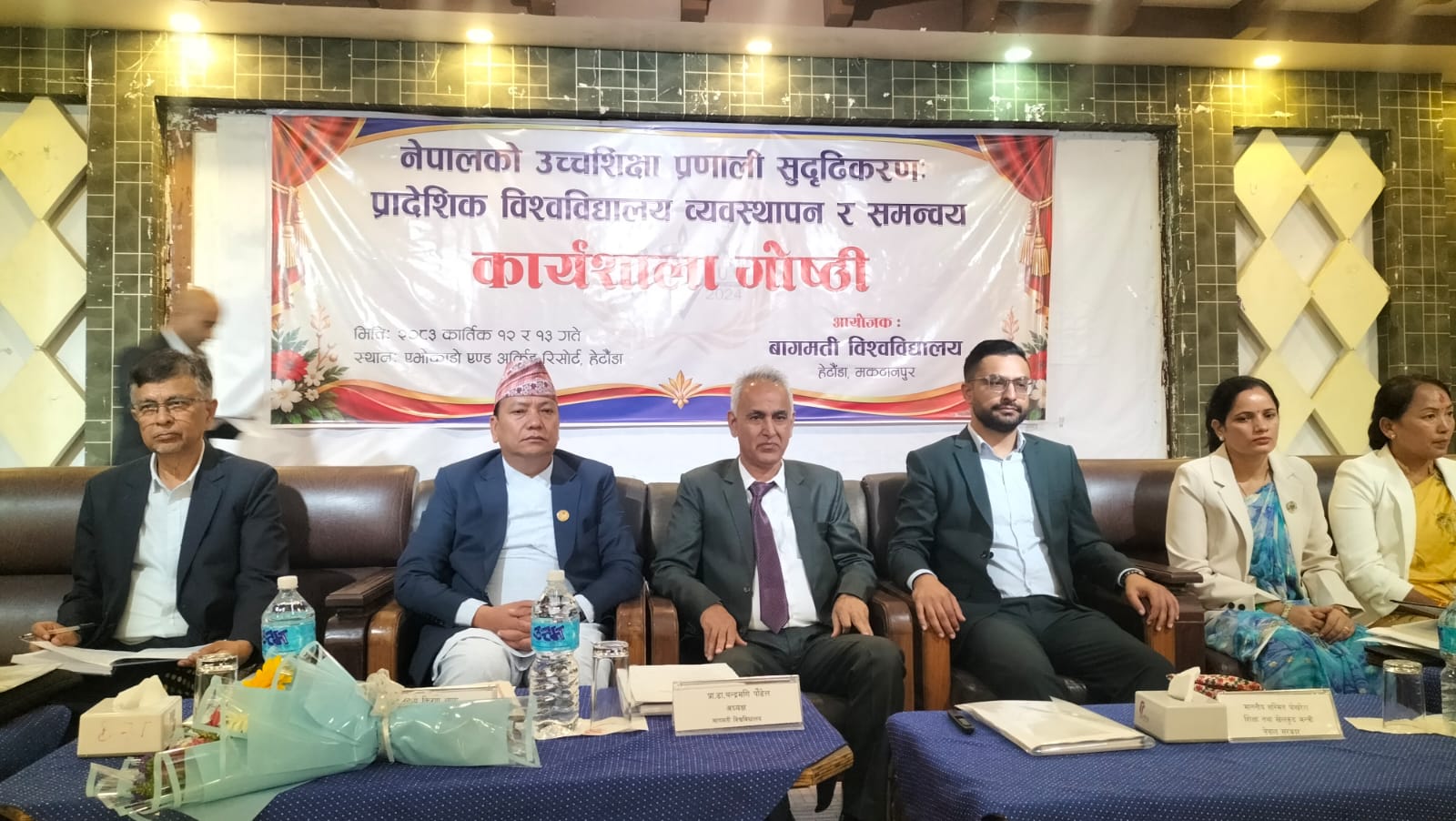
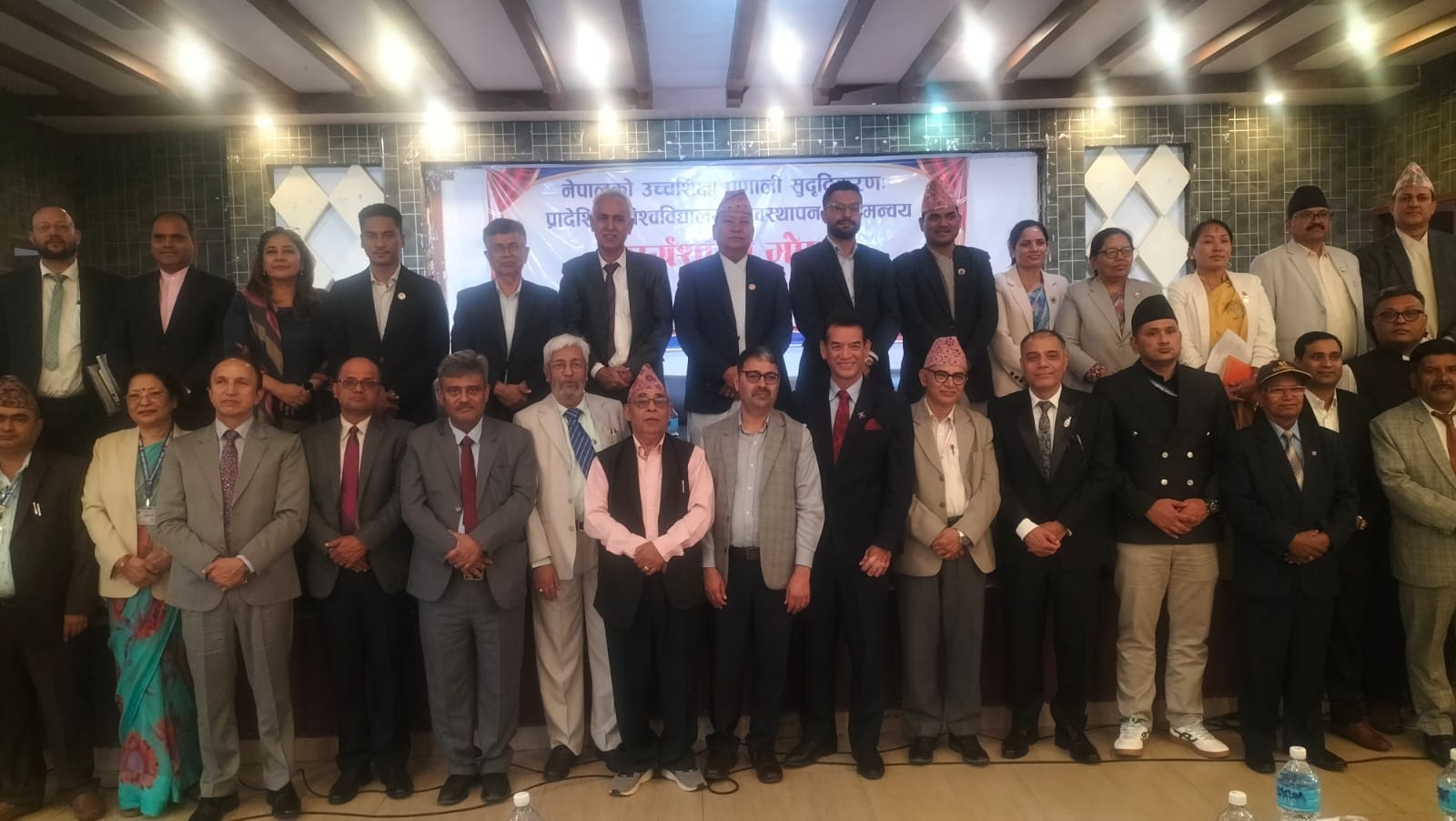
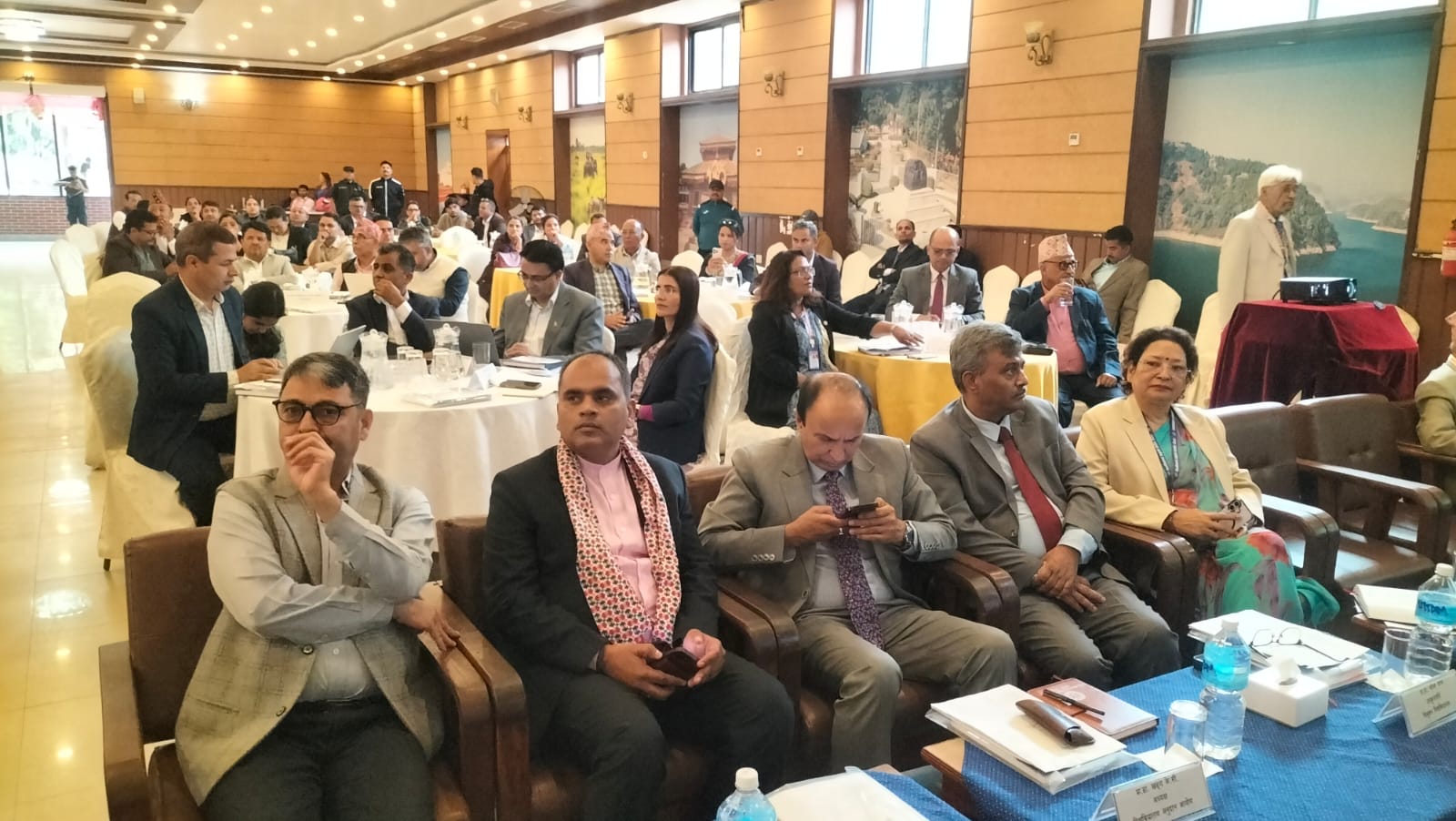
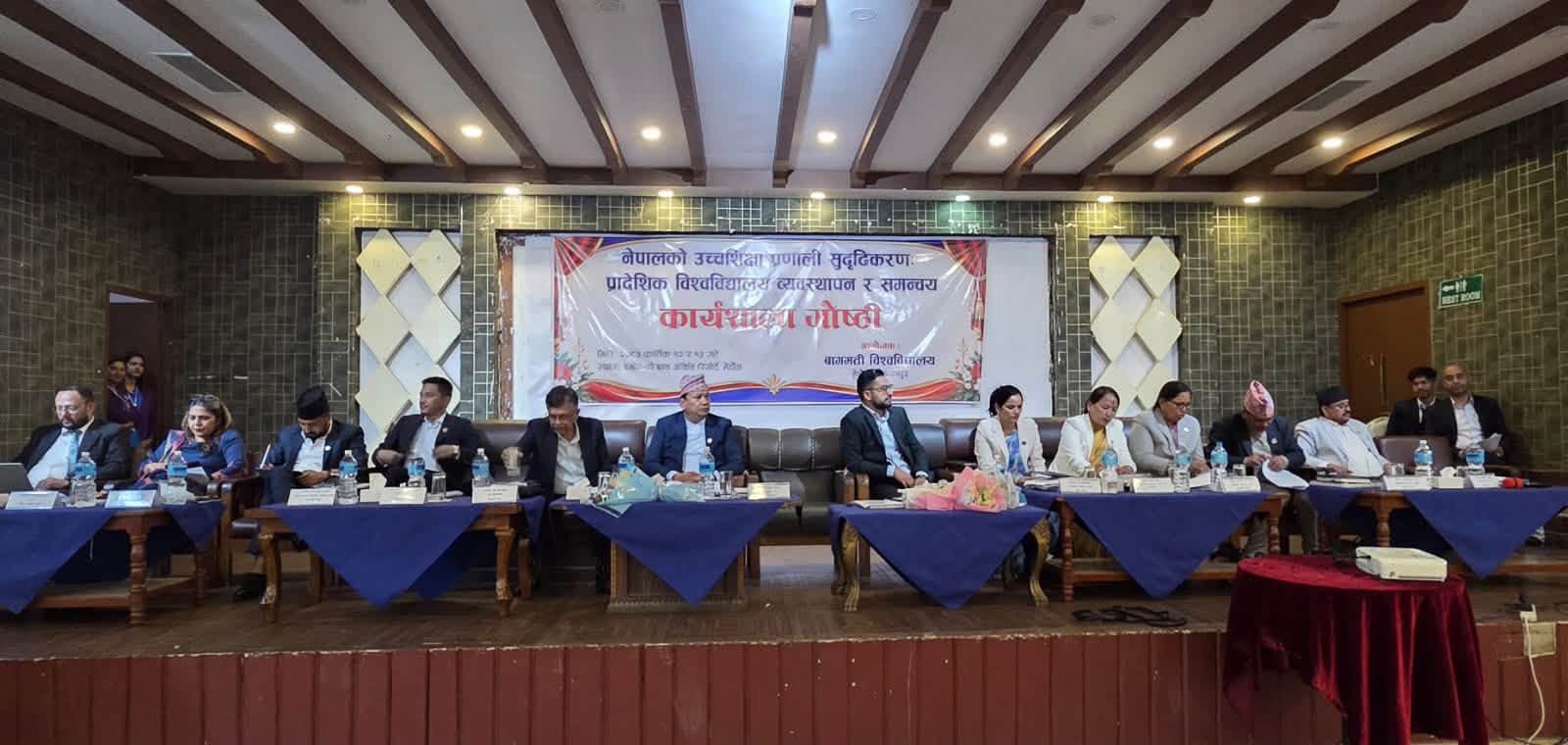
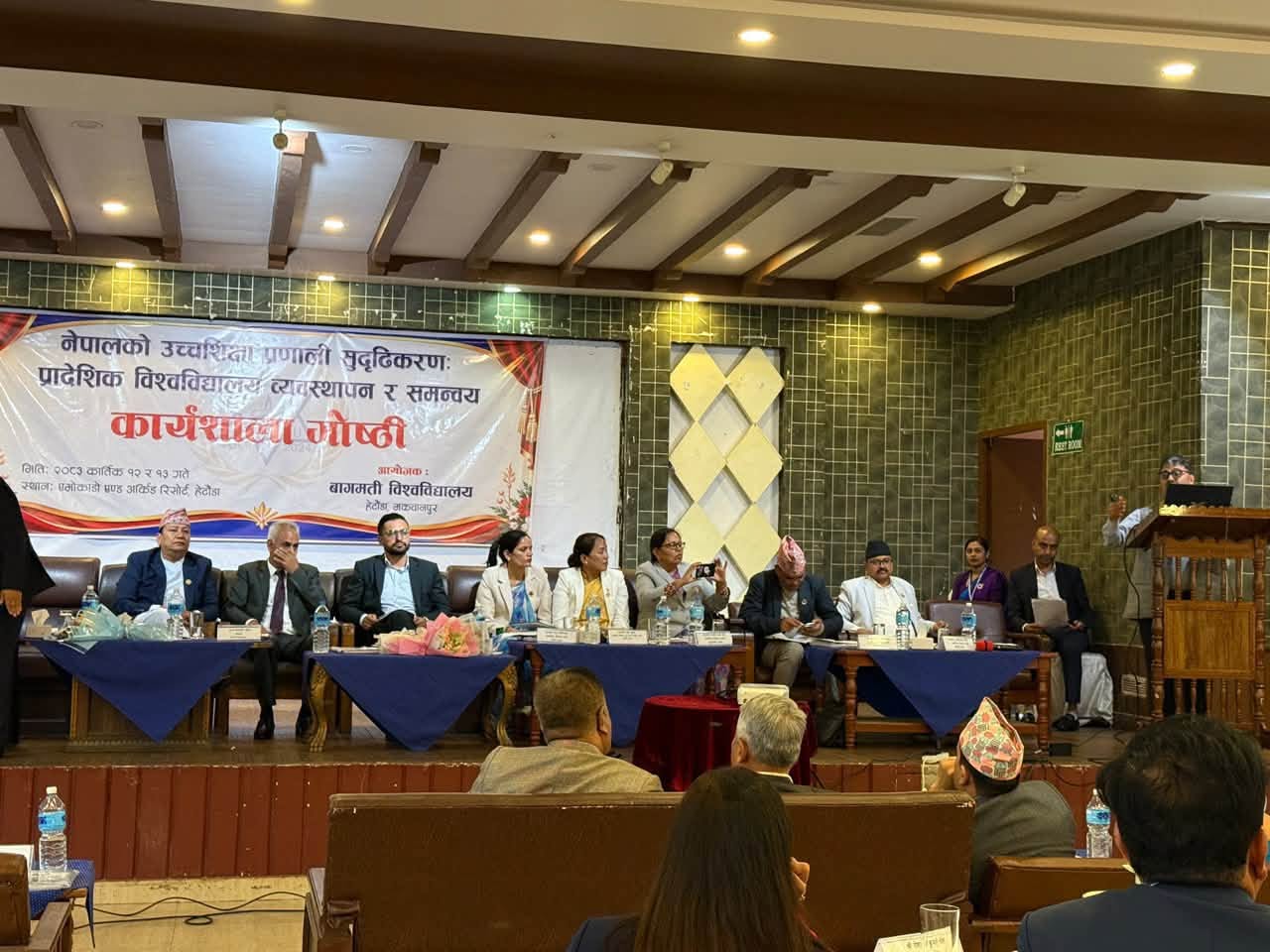
Provincial Education Ministers’ Conference in Hetauda
Strengthening Nepal’s Higher Education System: Provincial University Management and Coordination
Hetauda, 29–30 October 2026
1. Background and Rationale
Nepal’s federal restructuring in 2015 gave provinces exclusive authority over provincial universities and higher education, while the federal government retained authority over central universities and the standards and regulation of universities. A decade on, the practical division of roles, funding and coordination remains unsettled. There is still no federal education act, no common national framework for higher education, and no independent quality assurance body.
Hon. Sasmit Pokharel, Minister for Education and Sports of the Government of Nepal graced the programme as Chief Guest. The Minister’s presence symbolized the federal government’s engagement with the provinces on higher education, which is the central theme of the workshop.
The event followed the Inter-Provincial Education Ministers’ Conference held in Birgunj on 1-2 May 2026, where provincial ministers and university officials raised concerns about unequal grants, weak coordination and policy uncertainty. The Hetauda conference was convened to review those commitments and to build a shared provincial agenda for managing and strengthening provincial universities.
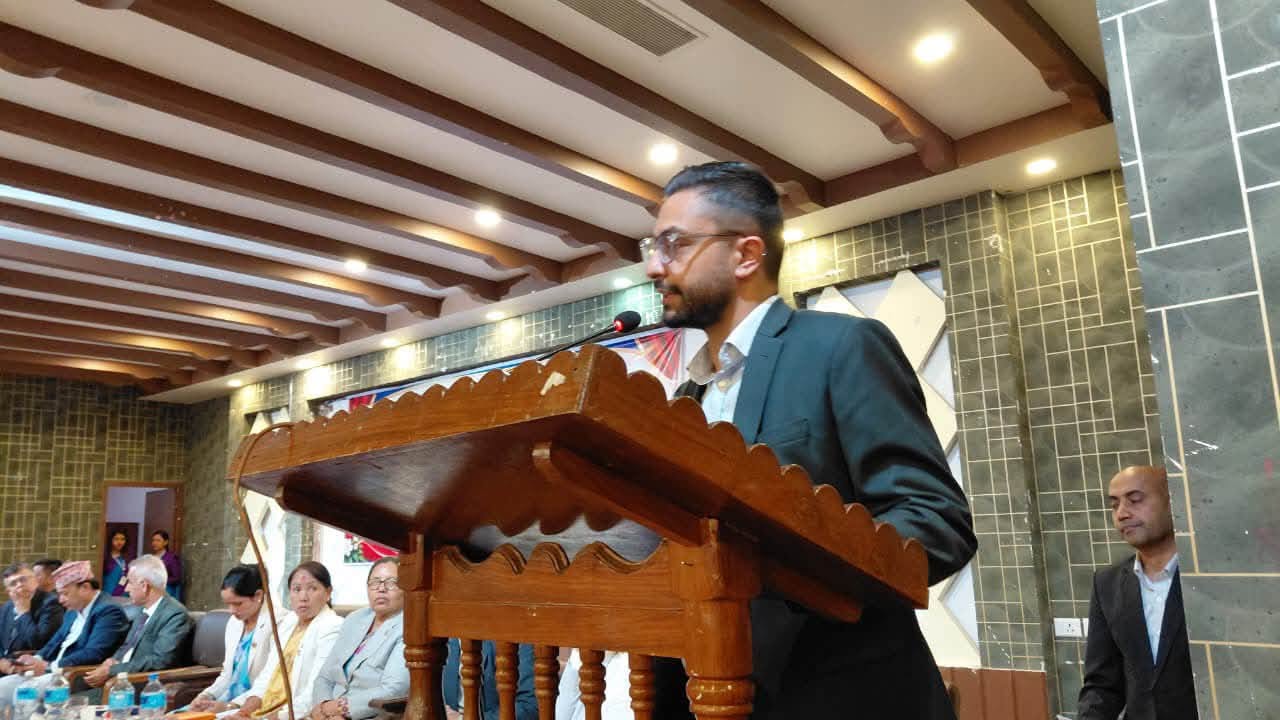
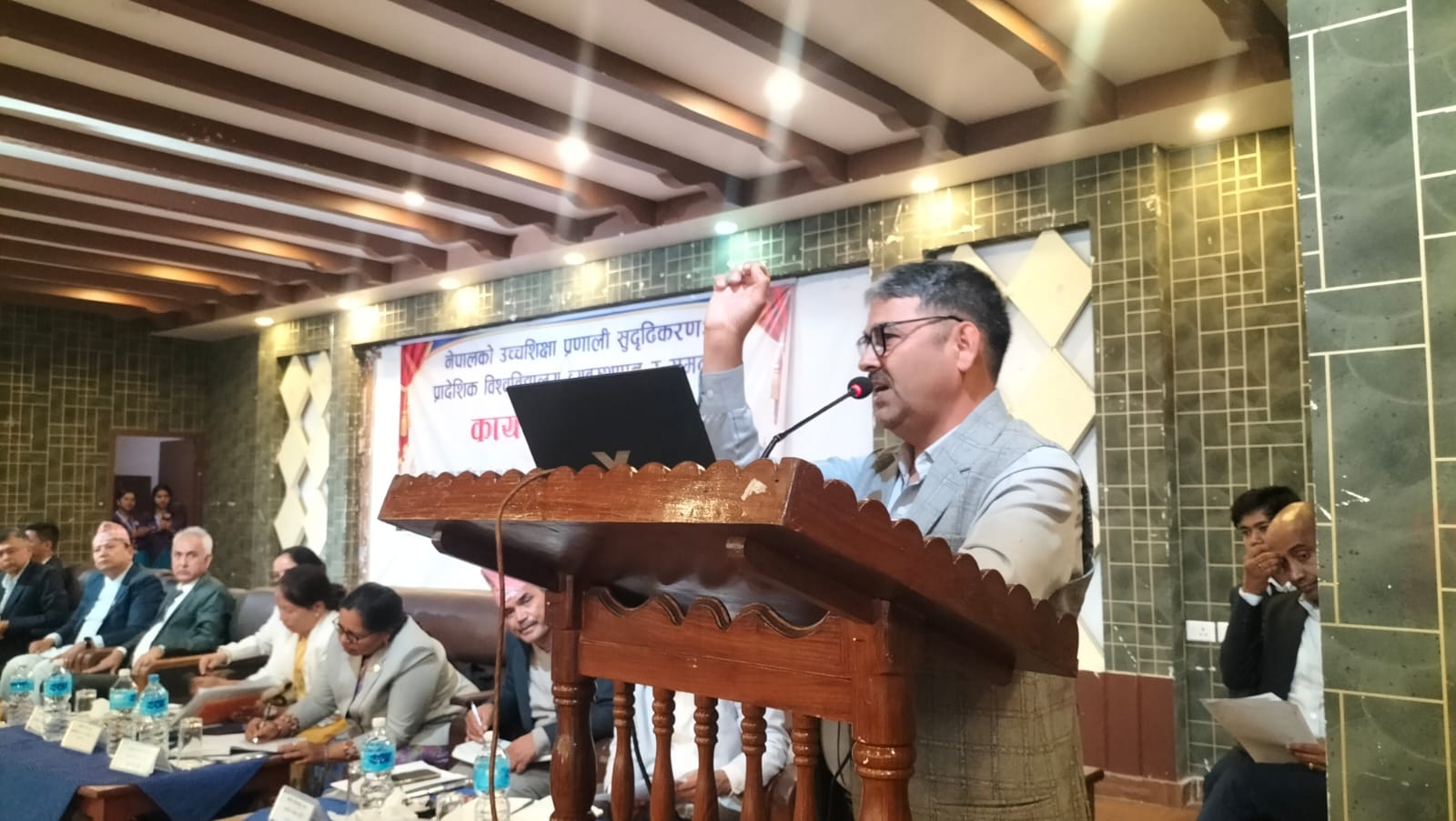
2. Paper Presentation by Dr. Khim Lal Devkota
Dr. Devkota presented his paper in the workshop on 29 October 2026. It argued that provinces have a clear constitutional role in higher education, that they are currently under-resourced and poorly coordinated with the federal government, and that structured inter-provincial cooperation is the way forward.
2.1 Issues raised by the provinces
Drawing on the Birgunj conference, he summarised six concerns:
• Discrimination in grants: the University Grants Commission (UGC) does not give grants to provincial universities, and conditional grants in the education sector are not well managed.
• No national framework: there is no common national framework or policy stability for higher education. According to the UGC’s 2023–24 report, 505 of 1,432 campuses (35.27%) have 100 or fewer students.
• No independent quality body: there is no independent quality assurance and accreditation agency, and quality assurance and grant-making should not sit with the same body.
• Under-investment: spending favours physical infrastructure over social development, and investment in education is inadequate.
• Centralised mindset: even after a decade of federalism, policy remains unclear. For example, the federal education act has still not been issued.
• Outward migration: large numbers of students leave for study abroad after Grade 12, taking billions of rupees out of the country each year.
2.2 Constitutional basis
Who holds which authority under the Constitution:
• Schedule 5 (federal exclusive): central universities, standards and regulation of universities, and central-level academies.
• Schedule 6 (provincial exclusive): provincial universities, higher education, and libraries and museums.
• Schedule 8 (local level): basic and secondary education.
The central point was that higher education and provincial universities are a provincial exclusive power, while standards and regulation lie with the federation, so coordination and cooperation are unavoidable.
2.3 Questions on restructuring
Under the heading “The state has been restructured, where is the restructuring of higher education?”, he raised six questions for policy makers:
• Why has Tribhuvan University not been restructured, and why does it still affiliate more than 1,100 campuses?
• What problems would arise if campuses without quality accreditation were gradually brought under provincial university management, and why is no feasibility study being done?
• Can a policy of merging, specializing and sharing resources among existing universities create at least one capable public university in each province? Quality and capacity matter more than numbers.
• Why does Nepal Sanskrit University hold over 1,600 bigha of land while provincial universities operate from rented buildings and Bagmati University cannot obtain land for its facilities?
• Why do two universities teach forestry on the same premises in Hetauda without coordinating?
• When will universities, campuses, academic resources and regulation be restructured to match the federal structure, and will Tribhuvan University’s restructuring be made a national priority?
2.4 Youth and capital outflow
The paper used Nepal Rastra Bank and Ministry of Education data to show that young people and money are both leaving the country.
| Fiscal year | Capital outflow (NPR billion) | NOCs approved
| 2076/77 | 25.81 | 63,000
| 2077/78 | 24.95 | 28,239
| 2078/79 | 67.70 | 95,532
| 2079/80 | 100.42 | 102,610
| 2080/81 | 125.13 | 112,593
| 2081/82 | 138.48 | 123,589
| Six-year total | 482.49 | 525,563
The paper argued that affordable, good-quality higher education within each province would retain both students and capital.
2.5 The role of provincial universities
The paper proposed that provincial universities should:
• offer market-oriented curricula that fit each province’s geography and economy (for example, herbal farming in Karnali, tourism in Gandaki, agriculture and federalism in Madhesh, and services in Bagmati);
• widen access in remote areas, including online higher education and skill certification for people working abroad;
• act as academic think tanks for provincial planning and policymaking;
• carry out local research on resources, herbs, agriculture and culture;
• offer flexible, opportunity-oriented programmes such as faster credit completion for talented students, paid internships, research projects and fellowships; and
• link community schools with universities and affiliate community campuses with provincial universities.
2.6 International practice in inter-provincial coordination
The paper reviewed how other federal systems coordinate:
• Switzerland (EDK/HarmoS): four cantons jointly run a shared university (FHNW) with an integrated curriculum.
• Germany (KMK, 1948): the Standing Conference of education ministers coordinates curricula, examinations and qualifications.
• Canada (CMEC, 1967): the Council of Ministers of Education shares data and holds joint policy dialogue.
• United States (MHEC): twelve states cooperate through an interstate compact on higher education.
2.7 Financing of education and higher education
The paper presented a detailed review of education budgets:
• The federal Ministry of Education’s budget for 2083/84 is NPR 218.3 billion (10.3% of the total budget). Of the education budget, 28.81% is federal, 2.12% provincial and 69.07% local.
• In 2081/82, total education spending was about NPR 199 billion: federal 26.82%, provincial 4.62% and local 68.56%.
• Within the federal allocation, teachers’ retirement benefits take 42.13% (NPR 2,650 crore) and the UGC 26.91% (NPR 1,692 crore) in 2083/84. The Higher Education Promotion Programme fell from NPR 230 crore in 2076/77 to NPR 65 crore.
• In provincial education spending, higher (bachelor-level) education receives only about 1.6%, while about 29.7% goes to supporting services and 35% to informal education. He said provinces need to review their priorities.
• In 2082/83, the share of education in total provincial spending ranges from 2.1% in Madhesh to 12.6% in Sudurpashchim, with an average of 5.3%.
2.8 Provincial finances: “costly” or “deprived of resources”?
Dr. Devkota challenged the view that the provincial structure is expensive. The seven provinces together spent about NPR 12.32 trillion over seven years, less than the federal government’s spending in a single year (NPR 15.23 trillion). The pay and allowances of provincial office-bearers (chief ministers, ministers and legislators) amount to only 0.042% of the total budget (about NPR 75.82 crore), or four paisa in every NPR 100. His conclusion was that provinces are not extravagant but are deprived of resources relative to their powers and workload.
2.9 Recommendations and expected decisions
The paper closed with six recommendations under the theme that a strong higher education system under federalism is a shared responsibility of the federation, provinces and universities:
i. Law: an integrated higher education law and national framework, with standards set by the federation and operation by the provinces.
ii. Grants: support from the grants commission to provincial universities under clear criteria.
iii. Quality: an independent quality assurance and accreditation body.
iv. Coordination: a Provincial Education Ministers’ Forum or Council and a Provincial University Forum, meeting regularly.
v. Shared programmes: a common admissions portal, credit transfer, and shared laboratories and research.
vi. Provincial needs: technical and vocational programmes linked to employment.
He also identified areas for cooperation among the seven provinces: shared curricula and standards, joint research (climate, disasters, river systems, agriculture, health and migration), shared use of laboratories and digital libraries, a regular thematic forum, mobility of students and staff, and a joint inter-provincial fund.
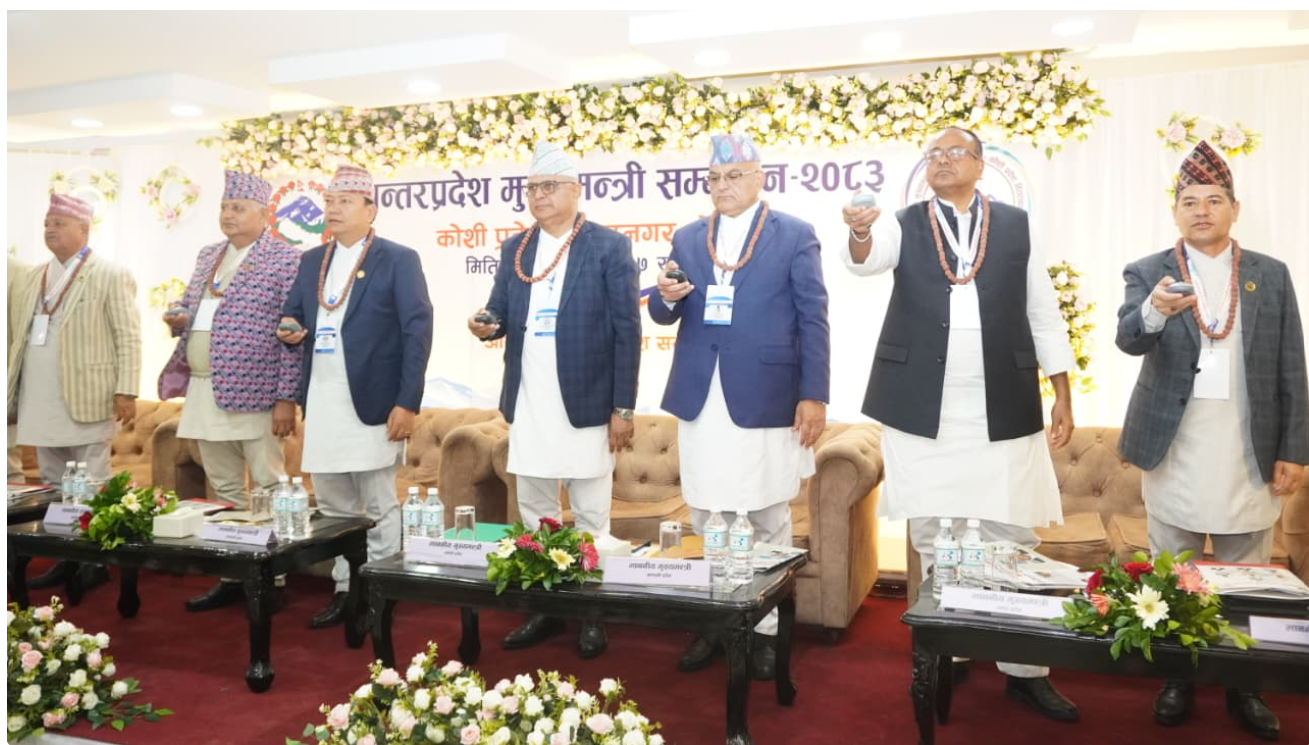
3. Provincial Education/Social Ministers’ Conference
The ministers met on October 29-30, 2026 under the chairmanship of Hon. Gir Bahadur Tamang, with the provincial ministers in charge of education present, and took the following decisions:
1. In line with the commitment made at the Birgunj conference of Baisakh 19, 2083, to form the “Provincial Education Ministers’ Forum.”
2. To approve the Provincial Education Ministers’ Forum (Formation and Operation) Procedure, 2083 so that the Forum can function in an organised way.
3. To review the implementation status of the commitments made in Birgunj and to implement them in a planned manner.
4. To hold the next meeting of the Forum in Karnali Province.
The minutes were signed by the participating members.
4. Key Takeaways
• Provinces hold exclusive constitutional authority over higher education and provincial universities, but lack the grants, land, legal framework and quality-assurance system to exercise it.
• Higher education receives very little from provincial budgets, and young people and capital continue to leave the country.
• International federal systems show that standing ministerial councils are a practical tool for coordination.
• The decision to formalise the Provincial Education Ministers’ Forum gives the provinces a lasting platform to take these issues to the federal government.
5. Way Forward
• Put the Forum’s procedure into operation and hold its next meeting in Karnali Province.
• Follow up on the Birgunj commitments with a time-bound action plan.
• Engage the federal Ministry of Education, Science and Technology and the UGC on an integrated higher education law, grants for provincial universities and an independent accreditation body.
• Explore shared programmes such as a common admissions portal, credit transfer, and joint research and laboratories among provincial universities.
6. Participation
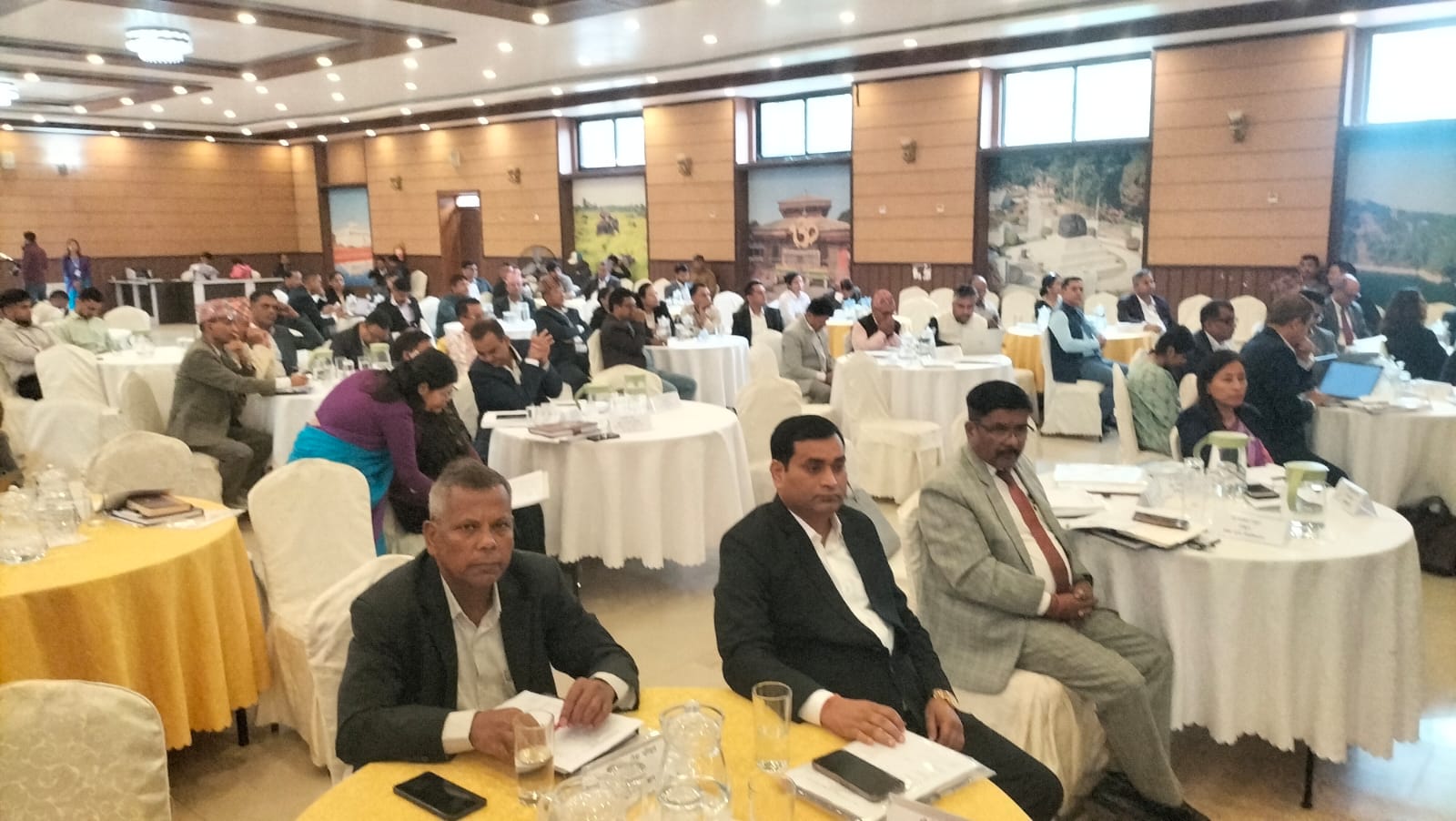
The attendance record of the ministers’ meeting lists the following.
Members of the Forum
• Hon. Gir Bahadur Tamang, Minister for Health and Social Development, Bagmati Province (Convener)
• Hon. Jit Bahadur Malla, Minister for Social Development, Karnali Province
• Hon. Geeta Timilsena, Minister for Social Development, Koshi Province
• Hon. Rekha Gurung, Minister for Social Development, Youth and Sports, Gandaki Province
• Hon. Ramji Prasad Ghimire, Minister for Social Development, Lumbini Province
• Hon. Santosh Sharma Thapa, Minister for Social Development, Sudurpashchim Province
• Mr. Khubiram Adhikari, Province Secretary, Bagmati Province (Member Secretary)
Invited participants
• Dr. Khim Lal Devkota, former Member of the National Assembly and federalism expert
• Prof. Dr. Chandramani Paudel, Bagmati University
• Prof. Dr. Indra Prasad Tiwari, Gandaki University
• Prof. Dr. Subhas Pokhrel, Vice-Chancellor, Manmohan Technical University
• Prof. Dr. Deepak Bahadur Shakya, Vice-Chancellor, Madhesh University
• Dr. Baidyanath Mahato, Vice-Chancellor, Madhesh Agriculture University
• Dr. Krishna Raj Adhikari, Vice-Chancellor, Gandaki University
• Dr. Niraj K.C., Executive Vice-Chancellor, Lumbini Technical University
• Ms. Roshani Kumari Shrestha, Province Secretary, Karnali Province
• Mr. Ramkrishna Adhikari, Province Secretary, Koshi Province
• Dr. Sheshnarayan Paudel, Province Secretary, Gandaki Province
• Ms. Sushila Aryal, Province Secretary, Lumbini Province
• Mr. Mahendra Mahato, Acting Province Secretary, Madhesh Province
• Mr. Lokendra Bhatt, Division Chief, Sudurpashchim Province